The brand leaves. The battery stays.
Over the past few years, a handful of battery brands have either exited Australia or gone into administration. For the owner, the system on the wall keeps running. The trouble comes later. Is it still healthy? Who do I call? Does the warranty still mean anything? Installers are the ones who inherit those calls, often for a product they did not design and can no longer get support on.
That leaves a growing number of batteries in the field with a question hanging over them: who looks after them now?
Insurers are watching too
Suncorp told national media that home claims linked to lithium-ion battery fires almost doubled between 2023 and 2026. RACQ Insurance recorded 469 house fire claims in Queensland across 2024 and 2025 and flagged lithium-ion devices as a growing cause. To be fair, most of these claims trace back to cheap e-bikes, e-scooters and power tools, not home batteries, and home battery fires remain rare.
Still, we think battery data could start to matter for insurance risk and, eventually, pricing. That is our view, not a statement from any insurer. But if a question about a battery is ever asked, the party holding the data is in a far better position than the party holding an opinion.
Approved is the starting line
Updated installation rules now apply, including the amended AS/NZS 5139 standard, and the Clean Energy Council is moving approved batteries to a new technical specification. Good. These tell you a battery was designed and installed properly on day one. They do not tell you what happened on day 400, or who is watching it now.
And at the end of life?
Installers are asking more and more, especially in online groups, where end of life batteries actually go. From the quotes we have received, collection of lithium iron phosphate batteries is usually at the customer's cost and runs at around $7 to $8 per kilogram. Some operators are offering to pay for end of life batteries. If someone is paying, by all means take the offer, but we would not expect it to last, and it is possible they are not planning to recycle the batteries at all.
That is one more reason for a battery passport like the one Europe is introducing from February 2027: a record that follows the battery through its life, including what happened to it and who is responsible for it. PlainView already has event logging and who to call built in for each battery, and compliance with the European Union battery passport regulation is planned for PlainView.
What independent monitoring does
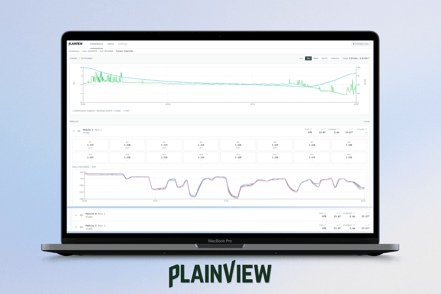
This is the gap we built PlainView for. It is a brand-agnostic battery monitoring platform, and today it does the following:
- Warranty monitoring, so conditions and fault patterns are tracked with evidence behind them.
- Cell level monitoring that is independent of the inverter and of any one brand's data system.
- Multiple battery brands, inverters and systems in one place at one time.
- Automated reports and WhatsApp communications, so nobody has to open a dashboard to know what is going on.
- Data that can be held where you choose, including within Australia.
We also think this can reduce product failures caused by firmware issues that installers may not be familiar with. We say "think" on purpose: it is early days, and we would rather prove it than claim it.
This week the team has been integrating more batteries, including Sigenergy and Sungrow, and the list keeps growing. Several sites are now live on PlainView. It is early stage, and it is live.
See it for yourself
If you install or look after batteries, especially from brands that have left, we would like to talk. Watch the seven minute demonstration at plainviewonline.au or get in touch.


Comments