The rules are moving
In September, Australia's energy ministers agreed to explore pathways for the safe deployment of plug-in solar and batteries, and they are due to report back in December. Western Australia has released its own draft standard and expects to finish its process in 2027. Advocates want the devices legal nationally by 1 July 2027.
For renters and apartment dwellers, who are locked out of rooftop solar and conventionally installed batteries, that is good news. It is also where the argument gets interesting.
The safety concern is real
This week the ABC reported that Master Electricians Australia, NECA and the ETU say the safeguards proposed so far are not enough. Their core point is simple. A plug-in device pushes power into a household circuit without passing through the breaker that protects the wiring in the wall. Germany manages this by limiting output, and the WA draft allows one device per household. The electricians' reply is that "Australians aren't Germans", and some households will plug in more than one. We think safety has to come first, and the rules need to get it right.
A battery is the part that makes sense
We agree Australia is not Germany, for a slightly different reason. We have abundant sunshine and a lot of solar on the grid in the middle of the day already, so we have some apprehension about how much value more plug-in solar adds on its own. The harder problem is getting that energy to the right household at the right time. That is a battery job.
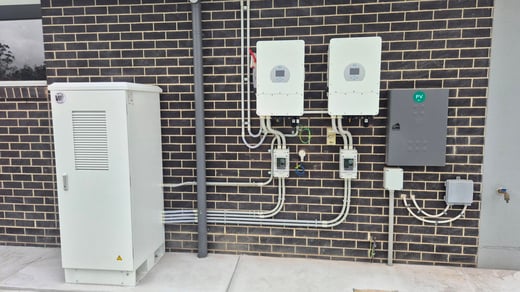
A plug-in battery soaks up the excess solar that is already there and gives it back when the household needs it. For renters and apartment dwellers, that makes sense, and we think batteries have a bigger part to play than plug-in solar. How it rolls out in apartments and rentals is still up for debate.
What about installers?
Installers and electricians are flat out. If plug-in batteries need an installer, which installers will have time? If a battery can be made safe without one, even better, because a product that skips the queue can start soaking up that excess solar sooner. That raises its own question: where do installers fit in an industry that depends on them? We do not have the answer. It is a question for the people writing the programs and the rules.
What we do know is that more batteries going in means more things that can go wrong, simply by weight of numbers. The ones caught early are the ones that are online and showing data from day one, so an installer, reseller, engineer or owner can see a problem before it becomes an incident.
Whoever installs it, three questions we would want answered
- Is it still doing what it was designed to do as it ages?
- Would anyone know if it stopped? Failures nobody sees are the ones that become incidents.
- Who holds the evidence? When a warranty or insurance question comes up, a record of how the battery actually behaved is worth more than a certificate.
Where monitoring fits
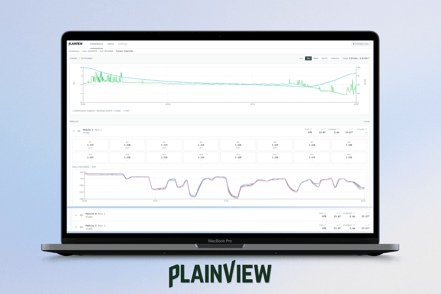
PlainView is a remote monitoring platform that keeps batteries honest, whichever brand made them and wherever they came from. It gives everyone with a stake in a battery plain insights on whether it is meeting its warranty and staying safe. Our focus now is residential, off-grid and small commercial batteries, with larger commercial and grid-scale systems to follow. We expect plug-in batteries to become part of that picture. PlainView is early stage but live.
Monitoring will not stop someone plugging a second device into the same circuit. That is a job for standards and product design. What it can do is show how batteries behave in the field, which is the evidence regulators, insurers and manufacturers keep asking for.
What we would like to hear
If you are an installer, wholesaler or manufacturer with a view on plug-in batteries, we want to hear it. And if you are thinking about how to keep an eye on batteries once they leave the warehouse, start a PlainView conversation with us.


Comments